

A Comprehensive Guide to Boosting Online Presence
In today’s digital age, having a website or online business is essential, but simply existing on the web isn’t enough. To stand out from the competition and drive traffic to your website, you need to focus on one key strategy: SEO (Search Engine Optimization). SEO is the process of improving your website’s visibility on search engines like Google, Bing, and Yahoo. By optimizing your website effectively, you can increase your chances of ranking higher in search engine results, leading to more organic traffic and ultimately more conversions.
In this blog post, we will dive into the fundamentals of SEO, how it works, and how you can leverage its power to enhance your online presence.
What is SEO?
SEO stands for Search Engine Optimization. It’s the practice of optimizing your website or content to make it more appealing to search engines. The higher your website ranks on search engines for relevant keywords, the more likely it is that users will visit your site.
Search engines like Google use complex algorithms to determine which websites should appear on the first page of search results. These algorithms consider various factors such as relevance, quality, user experience, and more. SEO helps you align your website with these factors, increasing your chances of ranking well.
The Importance of SEO
SEO plays a crucial role in driving organic (non-paid) traffic to your website. While paid advertising can provide immediate traffic, SEO focuses on long-term results. Here are some reasons why SEO is important for your website:
- Increased Organic Traffic: Higher search engine rankings lead to more visitors, which means more potential customers or readers. SEO increases the visibility of your site, leading to more clicks.
- Cost-Effective Marketing: SEO is one of the most cost-effective digital marketing strategies. Unlike paid ads, SEO doesn’t require continuous spending. Once you’ve invested time and effort into optimizing your website, you can enjoy consistent organic traffic.
- Builds Credibility and Trust: Websites that appear at the top of search results are generally perceived as more trustworthy and credible by users. Good SEO practices help establish your website as an authority in your industry.
- Better User Experience: SEO isn’t just about optimizing for search engines; it’s also about improving the user experience on your site. A well-optimized website is easier to navigate, faster, and more user-friendly.
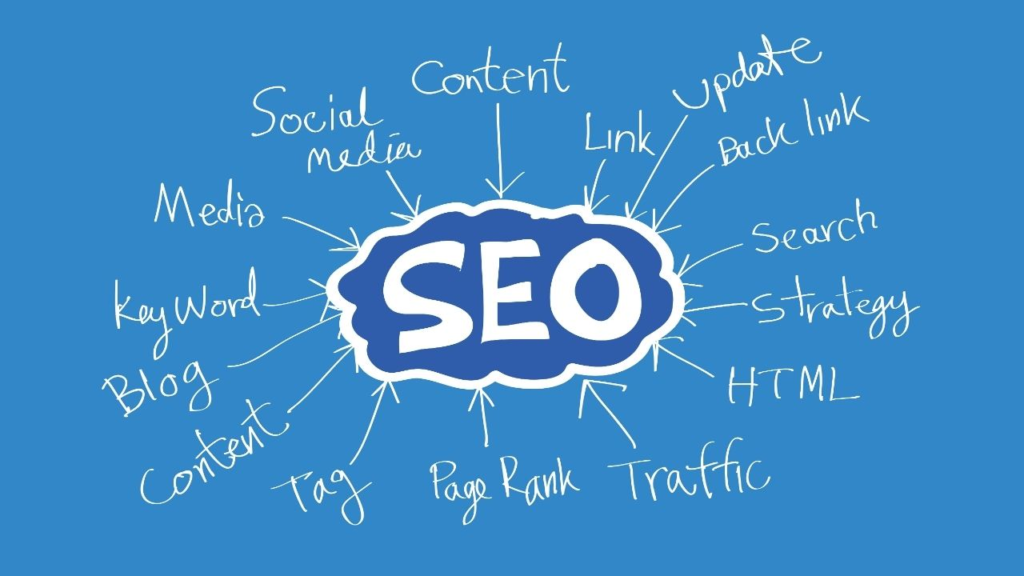
The Key Elements of SEO
SEO can be broken down into several key components, each contributing to the overall effectiveness of your strategy. Let’s explore these essential elements:
Keyword Research:
The foundation of SEO is selecting the right keywords to target. These are the terms and phrases that users are searching for in search engines. Keyword research involves identifying high-volume keywords that are relevant to your content and audience. Tools like Google Keyword Planner, Ahrefs, and SEMrush can help you find keywords with good search volume and relatively low competition.
On-Page SEO: On-page SEO refers to the optimization of individual web pages to improve their search engine rankings. This includes optimizing:
- Title Tags: The title of each page should include the target keyword and be engaging to encourage clicks.
- Meta Descriptions: Write compelling meta descriptions that summarize the content of your page and include relevant keywords.
- Headings and Subheadings: Break your content into sections with relevant headings (H1, H2, H3) that make it easy for both users and search engines to understand the content.
- URL Structure: URLs should be short, descriptive, and include the target keyword if possible.
- Internal Linking: Linking to other relevant pages on your website helps both users and search engines navigate your site more easily.
Technical SEO: Technical SEO involves optimizing the backend of your website to ensure search engines can crawl and index your content effectively. Some critical aspects of technical SEO include:
- Mobile Friendliness: Ensure your website is mobile-friendly, as Google uses mobile-first indexing.
- Page Speed: Slow-loading websites can hurt your rankings. Tools like Google PageSpeed Insights can help you identify and fix performance issues.
- XML Sitemap: A sitemap helps search engines find and index your pages.
- Structured Data: Implementing schema markup allows search engines to better understand your content and display rich snippets in search results.
Content Optimization: Content is king in SEO. Creating high-quality, informative, and engaging content is crucial for ranking well in search engines. When optimizing content, keep the following tips in mind:
- Quality over Quantity: Focus on creating valuable content that answers your audience’s questions and provides solutions.
- Keyword Usage: Integrate your target keywords naturally throughout your content, including in headings, body text, and image alt text.
- Content Length: Long-form content tends to perform better in search results, as it provides more value and covers topics in-depth.
- Multimedia: Including images, videos, and infographics can enhance your content and make it more engaging.
Link Building: Backlinks, or inbound links from other websites to yours, are one of the most important ranking factors for SEO. High-quality backlinks from authoritative sites signal to search engines that your content is trustworthy and valuable. Some effective link-building strategies include:
- Guest Blogging: Write guest posts for reputable websites in your industry and include links back to your site.
- Broken Link Building: Identify broken links on other websites and offer your content as a replacement.
- Content Promotion: Promote your content through social media, email outreach, and other channels to encourage others to link to it.
Local SEO:
If your business serves a specific geographic area, local SEO is essential for driving relevant traffic. Local SEO involves optimizing your website and content to appear in local search results. Key tactics for local SEO include:
- Google My Business: Claim and optimize your Google My Business listing to appear in local search results and Google Maps.
- Local Citations: Ensure your business is listed consistently across local directories and websites.
- Customer Reviews: Encourage customers to leave reviews on platforms like Google, Yelp, and Facebook.
The Role of SEO in Digital Marketing
SEO is an integral part of your overall digital marketing strategy. It works hand-in-hand with other tactics such as content marketing, social media marketing, and email marketing. By optimizing your content for search engines, you increase the chances of your content being discovered by a larger audience. As your website gains more organic traffic, it can also improve other aspects of your marketing, including:
- Conversion Rate Optimization (CRO): More traffic to your site means more opportunities to convert visitors into customers.
- Brand Awareness: Ranking higher in search results increases visibility, helping to establish your brand as an authority in your niche.
- Content Distribution: SEO can amplify the reach of your content by driving traffic from search engines, social media, and other channels.
Common SEO Mistakes to Avoid
While SEO can yield impressive results, it’s important to avoid common mistakes that can hinder your efforts. Here are some mistakes to watch out for:
- Keyword Stuffing: Overloading your content with keywords can result in a poor user experience and may be penalized by search engines.
- Neglecting Mobile Optimization: With the increasing use of mobile devices, failing to optimize for mobile can hurt your rankings and user experience.
- Ignoring User Intent: It’s not just about ranking for keywords; your content should match the user’s intent behind the search query.
- Focusing Solely on Rankings: While rankings are important, don’t forget to focus on providing value to your audience. Conversions and engagement matter too.
Final Thoughts
SEO is a long-term game, but the benefits are well worth the investment. By following best practices and continuously optimizing your website, you can improve your search engine rankings, drive more organic traffic, and ultimately achieve your business goals. Whether you’re a small business owner, content creator, or digital marketer, mastering SEO is a powerful way to increase your online visibility and stay ahead of the competition.
Remember, SEO is not a one-time task but an ongoing process. Keep updating your content, monitoring your rankings, and staying up-to-date with search engine algorithm changes to maintain and improve your SEO efforts over time.
Now that you have a better understanding of SEO, it’s time to put these strategies into action and start seeing results!